
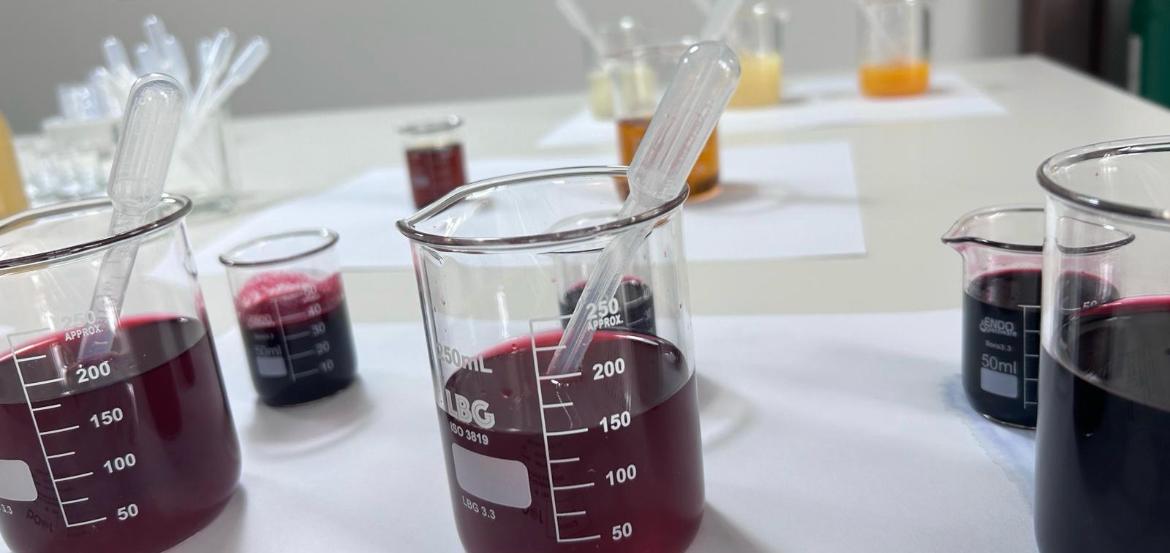
Fruit juice concentrates are widely used in the food and beverage industry thanks to their long shelf life, microbiological stability and ease of transport. By removing a large portion of water from the juice, the concentration process significantly reduces microbial activity and increases product stability.
However, the shelf life of fruit concentrates depends on several factors such as °Brix level, acidity (pH), storage temperature, packaging conditions and pasteurization treatment.
Understanding these factors is essential for manufacturers using fruit concentrates in beverages, dairy products, sauces, confectionery and ready meals.
Under appropriate storage conditions, fruit concentrates can remain stable for long periods. This self life demends of many industrial procedures and product characteristics, the most typical self life ranges at industrial sizes are from 6 to 36 months.
Frozen Fruit juice Juice Concentrate : 24-36 months
Aseptics fruit juice: 12 – 18 months
Pasteurized fruit juice, non aseptic 12-18 monts
Most industrial fruit concentrates are stored either frozen or in aseptic drums, which helps preserve flavor, color and nutritional compounds.
The concentration level plays a major role in stability.
Higher sugar concentrations reduce water activity (aw), limiting microbial growth.
Typical industrial Brix levels:
Citrus concentrates: 60 – 65°Bx
Berry concentrates: 60 – 68°Bx
Apple/ Pear concentrate: 70°Bx
Lower Brix concentrates may require stricter storage conditions.
Most fruit concentrates have a naturally low pH, which inhibits microbial growth.
Typical pH values:
Lemon: 2,0 to 2,6
Pomegranate 2,5 to 3,5
Grape 3,0 to 3,5
Strawberry 3,2 to 3,6
Low pH combined with high Brix significantly improves product stability.
Pasteurization eliminates vegetative microorganisms and improves shelf life.
Common industrial treatments include:
Plate heat exchangers
Tubular pasteurizers
Flash pasteurization systems
Proper heat treatment combined with hygienic filling conditions is essential to prevent post-process contamination.
Packaging plays a critical role in maintaining concentrate quality.
The most common industrial formats are:
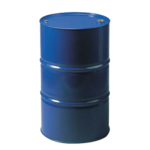
Aseptic drums (200–250 kg)
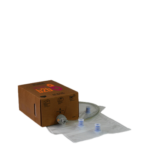
Bag-in-Box
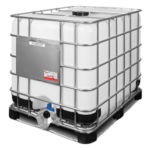
IBC containers
Aseptic packaging prevents oxygen exposure and microbial contamination, significantly extending shelf life.
Storage temperature is one of the most critical factors. although we never think about this, frozen storage is also an storage that can make have a longer self life. Frozen storage is often used for products containing sensitive pigments such as anthocyanins (e.g. strawberry or blueberry concentrates).
Storage frozen : -18ºC
Storage chilled: 0 to 5 ºC
Storage Ambient: 5 to 25 ºC

Even when microbiologically stable, fruit concentrates may undergo gradual quality changes over time.
Possible changes include:
Color degradation
Flavor loss or oxidation
Maillard reactions in some products
Precipitation of natural solids
Proper storage conditions significantly reduce these effects.
To maximize shelf life and maintain product quality, manufacturers should follow these recommendations:
Store concentrates at stable temperatures
Avoid repeated freeze-thaw cycles
Protect product from oxygen exposure
Use hygienic pumping and transfer systems
Maintain traceability and lot control
If you require detailed specifications such as °Brix, pH, acidity or processing recommendations, our technical team can assist you.
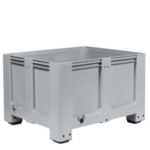
WE DISTRIBUTE OUR PRODUCTS PROVIDING THE NECESSARY PACKAGING ACCORDING TO THE NEEDS OF OUR CUSTOMER

Líder en zumos y concentrados de frutas y hortalizas, destacamos por la excelencia y la innovación. Nuestros productos son 100% vegetales, sostenibles y de alta calidad.
Como fabricantes y distribuidores internacionales, garantizamos entregas seguras y puntuales. Trabajamos contigo para impulsar el éxito de tu negocio con soluciones personalizadas y totalmente adaptadas a tu empresa.
¡Confía en Baor para alcanzar tus metas y disfruta de una colaboración apasionada y confiable!
Contacta con nosotros hoy mismo y descubre cómo nuestras bases concentradas de fruta pueden impulsar tu visión culinaria hacia nuevas alturas.

All our products are stored at the appropriate temperature in state-of-the-art refrigerated facilities and chambers.

We manufacture and distribute internationally, preserving the cold chain, guaranteeing the quality of each of our products.

Our logistics operations through international operators guarantee the receipt of the product in perfect conditions.