
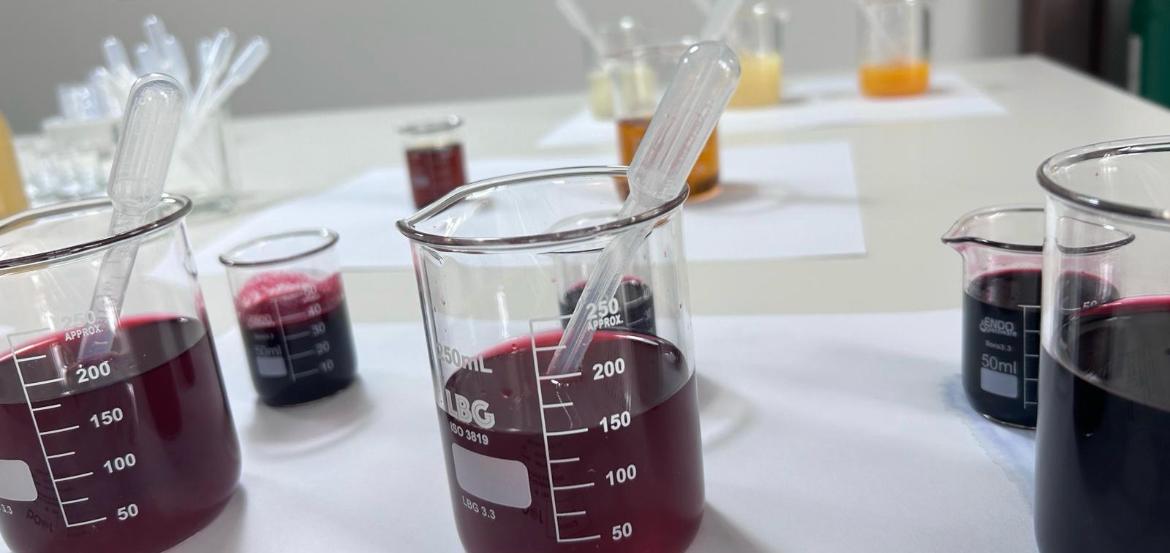
Fruit juice concentration is one of the most important processes in the industrial production of fruit ingredients. By removing part of the water naturally present in juice, manufacturers obtain a more stable, transport-efficient and versatile ingredient used in multiple food applications.
Juice concentrates are widely used in the beverage industry, dairy products, ice cream formulations, bakery fillings and nutraceutical products. The concentration process allows manufacturers to preserve flavour compounds while reducing storage and transportation costs.
Understanding how fruit juice is concentrated helps buyers, formulators and food manufacturers select the most suitable ingredient for their applications.
Juice concentration is the process of removing water from freshly extracted fruit juice to increase the soluble solids content, typically measured in degrees Brix (°Bx).
During this process, water is evaporated under controlled conditions, allowing the concentration of natural sugars, organic acids and flavour compounds present in the fruit.
The resulting ingredient is known as fruit juice concentrate and can later be reconstituted with water or used as a functional ingredient in food formulations.
Depending on the fruit and application, concentrates typically range from:
50° to 70° Brix for most fruit juice concentrates
up to 80° Brix for certain industrial concentrates
This higher solids concentration improves shelf life, reduces transport volume and stabilizes the product for international trade.
The production of fruit juice concentrate involves several controlled industrial steps designed to maintain product quality and safety.
The process begins with the selection of ripe fruits suitable for juice production. Fruits are washed, sorted and prepared to remove impurities before extraction.
Mechanical presses or extraction systems are used to obtain raw juice from the fruit. Depending on the fruit type, the juice may contain pulp, fibres and natural suspended solids.
In some cases, the juice is clarified to remove suspended particles. Clarification may involve filtration, centrifugation or enzymatic treatment depending on the desired final product.
The key stage of the process is evaporation. Industrial evaporators remove water from the juice under vacuum conditions, which allows evaporation at lower temperatures.
This vacuum evaporation helps preserve:
aroma compounds
colour
natural flavour profile
Multiple-effect evaporators are commonly used in the juice industry to increase energy efficiency.
During evaporation, natural aroma compounds may be separated and later reintroduced into the concentrate to maintain the original fruit flavour.
The concentrate is usually pasteurized to ensure microbiological stability and extend shelf life during storage and transport.
Finally, the concentrate is packed in industrial formats such as:
aseptic drums
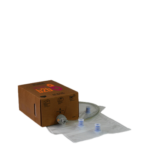
bag-in-box
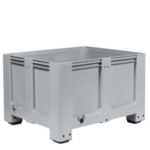
bulk containers for food manufacturers
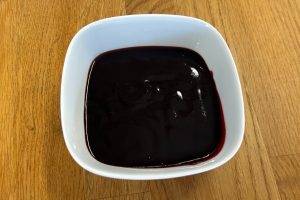
Juice concentration offers several advantages for industrial food manufacturers.
By removing water, concentrates significantly reduce product volume, making international transport more efficient.
Fruit juice concentrates are more stable than fresh juice, allowing longer storage periods when handled under proper conditions.
Food manufacturers use concentrates to standardize recipes and maintain consistent flavour and sweetness levels across production batches.
Juice concentrates are used across multiple industries including beverages, dairy products, ice cream, bakery fillings and sauces.
Different fruits reach different concentration levels depending on their natural composition.
Examples of common ranges include:
Orange juice concentrate: around 65° Brix
Lemon juice concentrate: around 45–50° Brix
Apple juice concentrate: around 70° Brix
Grape juice concentrate: around 68° Brix
These values may vary depending on the production process and the intended industrial application.
Fruit juice concentrates are widely used by food manufacturers for flavouring, sweetening and functional formulation.
Typical applications include:
soft drinks and fruit beverages
dairy products such as yogurt or flavored milk
ice cream and frozen desserts
bakery fillings and fruit preparations
sauces and ready meals
nutraceutical and functional beverages
Their high concentration allows precise dosing and easy integration into industrial formulations.
In the fruit ingredients market, two main types of juice ingredients are commonly used: juice concentrates and NFC juices (Not From Concentrate).
Juice concentrates are produced by removing water and later reconstituting the juice if needed. NFC juices, on the other hand, are minimally processed and not concentrated.
Both formats have advantages depending on the final application, shelf life requirements and logistics.
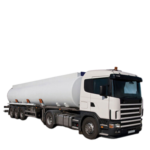
WE DISTRIBUTE OUR PRODUCTS PROVIDING THE NECESSARY PACKAGING ACCORDING TO THE NEEDS OF OUR CUSTOMER
Líder en zumos y concentrados de frutas y hortalizas, destacamos por la excelencia y la innovación. Nuestros productos son 100% vegetales, sostenibles y de alta calidad.
Como fabricantes y distribuidores internacionales, garantizamos entregas seguras y puntuales. Trabajamos contigo para impulsar el éxito de tu negocio con soluciones personalizadas y totalmente adaptadas a tu empresa.
¡Confía en Baor para alcanzar tus metas y disfruta de una colaboración apasionada y confiable!
Contacta con nosotros hoy mismo y descubre cómo nuestras bases concentradas de fruta pueden impulsar tu visión culinaria hacia nuevas alturas.

All our products are stored at the appropriate temperature in state-of-the-art refrigerated facilities and chambers.

We manufacture and distribute internationally, preserving the cold chain, guaranteeing the quality of each of our products.

Our logistics operations through international operators guarantee the receipt of the product in perfect conditions.