
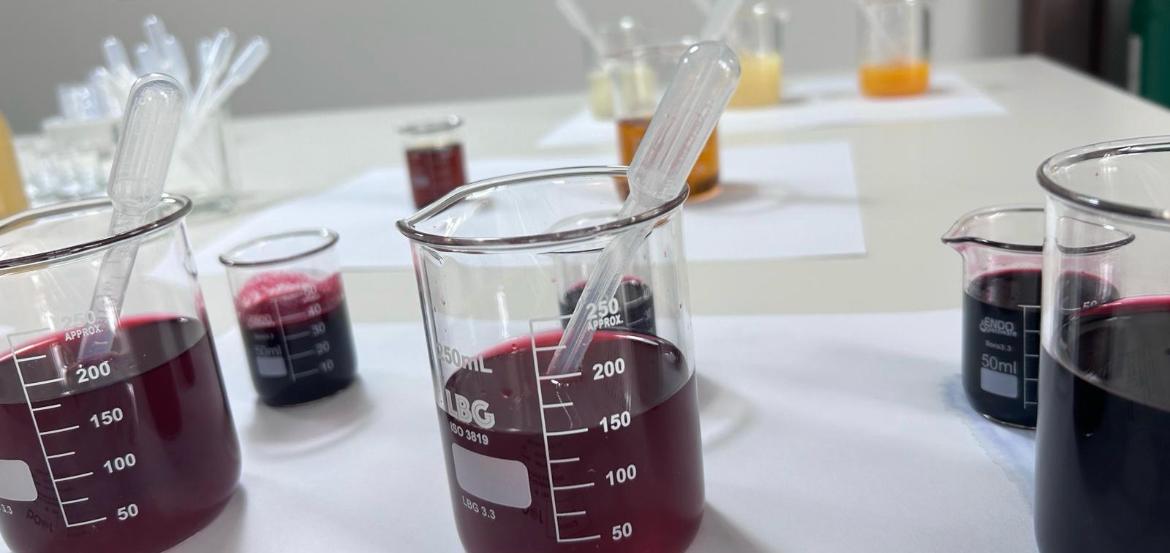
Pasteurization is a key processing step in the production of fruit juice concentrates used by the food and beverage industry.
This thermal treatment is applied to reduce microbial load, inactivate enzymes and extend shelf life while maintaining the natural characteristics of the fruit.
However, pasteurization can also influence several quality attributes of fruit concentrates, including:
Flavor profile
Color stability
Nutrient content
Aroma compounds
Shelf life
Understanding how pasteurization affects fruit juice concentrates is essential for optimizing industrial juice processing and maintaining consistent product quality.
Pasteurization is a controlled heat treatment applied to fruit juices and concentrates to eliminate or reduce harmful microorganisms and spoilage organisms.
In the fruit processing industry, pasteurization typically involves:
Heating the product to a specific temperature
Holding it for a defined period of time
Rapidly cooling it afterward
Typical pasteurization temperatures for fruit juice products range between 70°C and 95°C, depending on the product formulation and processing method.
This process ensures microbiological safety while preserving most of the natural characteristics of the fruit.
Pasteurization plays several important roles in fruit concentrate production.
Fruit juice concentrates contain natural sugars and nutrients that can support microbial growth.
Pasteurization helps reduce populations of:
Yeasts
Molds
Acid-tolerant bacteria
By reducing these microorganisms, pasteurization prevents fermentation, spoilage and gas formation during storage.
Fresh fruit naturally contains enzymes that may degrade quality over time.
Important enzymes include:
Polyphenol oxidase (PPO)
Pectin methylesterase (PME)
Peroxidase
If these enzymes remain active, they can cause:
Browning reactions
Texture changes
Flavor deterioration
Pasteurization helps inactivate these enzymes, improving the stability of the concentrate during storage.
One of the main purposes of pasteurization is to extend the commercial shelf life of fruit concentrates.
By reducing microorganisms and enzyme activity, pasteurized concentrates can remain stable for extended periods when stored under appropriate conditions.
Shelf life will still depend on factors such as:
Storage temperature
Packaging type
Oxygen exposure
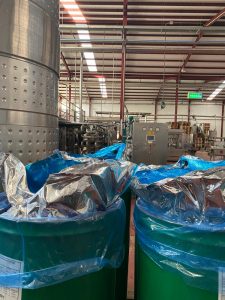
Although pasteurization is essential for product safety and stability, it can also influence certain quality parameters.
Heat treatment may cause partial loss of volatile aroma compounds, which contribute to the fresh fruit flavor.
Modern processing technologies aim to minimize these effects by using short heat treatments and rapid cooling.
Pasteurization can influence the color of fruit concentrates.
In most cases, heat treatment helps stabilize color by inactivating enzymes responsible for browning reactions.
However, excessive heat may lead to pigment degradation in some fruits.
Some heat-sensitive nutrients, such as vitamin C, may be partially reduced during pasteurization.
However, most of the nutritional value of fruit concentrates remains largely preserved when pasteurization conditions are properly controlled.
Different pasteurization systems are used in industrial fruit processing.
Common technologies include:
Plate heat exchangers for liquid juices
Tubular pasteurizers for more viscous products
Aseptic processing systems for large-scale production
The choice of system depends on factors such as:
Product viscosity
Presence of pulp or particles
Desired production capacity
Proper process design helps ensure effective pasteurization while preserving product quality.
WE DISTRIBUTE OUR PRODUCTS PROVIDING THE NECESSARY PACKAGING ACCORDING TO THE NEEDS OF OUR CUSTOMER
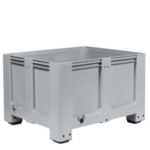
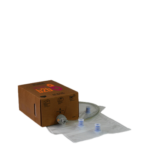

A leader in fruit and vegetable juices and concentrates, we stand out for our excellence and innovation. Our products are 100% plant-based, sustainable, and of the highest quality.
As international manufacturers and distributors, we guarantee safe and timely deliveries. We work with you to drive your business success with customized solutions perfectly tailored to your company.
Trust Baor to help you achieve your goals and enjoy a passionate and reliable partnership!
Contact us today and discover how our concentrated fruit bases can take your culinary vision to new heights.

All our products are stored at the appropriate temperature in state-of-the-art refrigerated facilities and chambers.

We manufacture and distribute internationally, preserving the cold chain, guaranteeing the quality of each of our products.

Our logistics operations through international operators guarantee the receipt of the product in perfect conditions.